Human-AI Collaboration for Pharmacy
Enhancing Efficiency, Insights, and Patient Trust
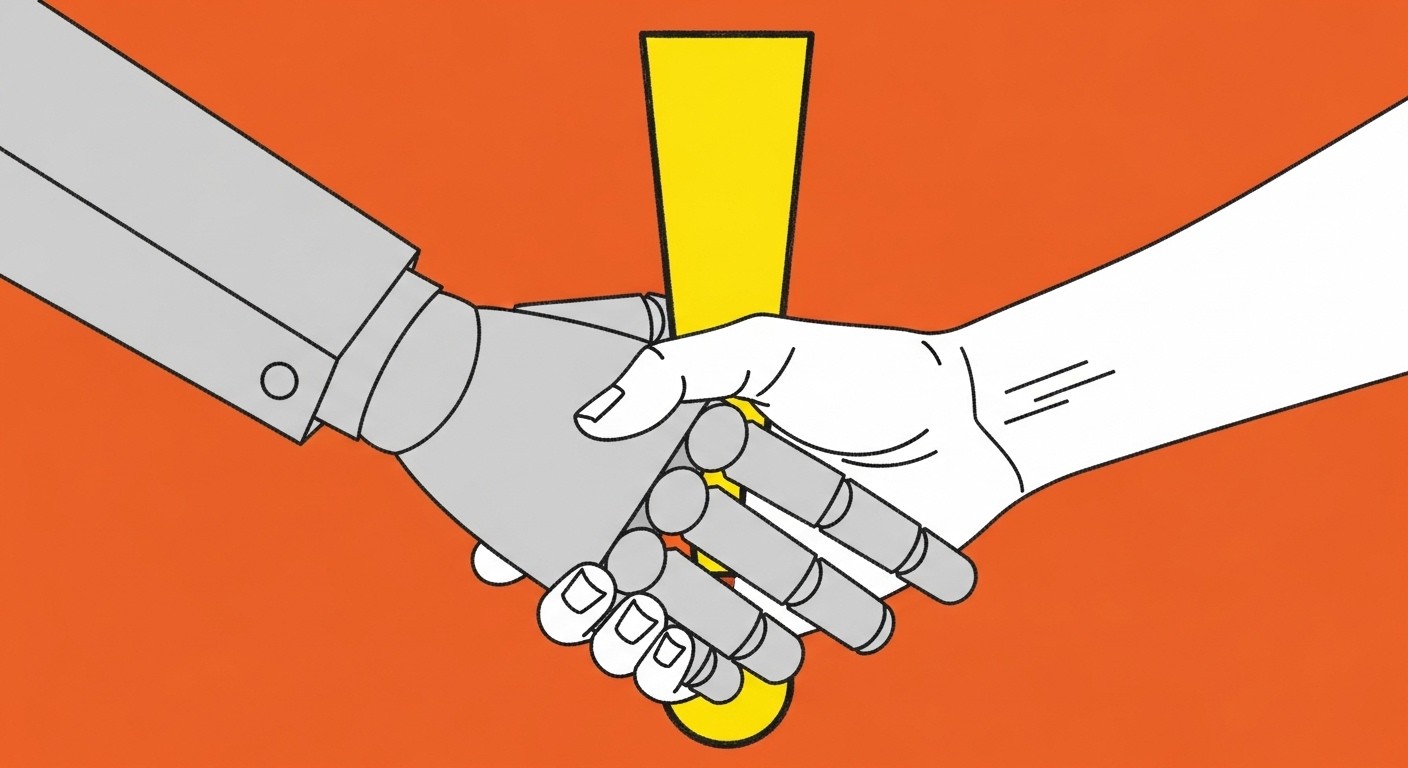
The pharmacy industry is evolving rapidly, and artificial intelligence (AI) is at the forefront of this transformation. While some fear that automation might replace human roles, the reality is far more promising—AI is a powerful tool that works alongside pharmacists to optimize operations, reduce errors, and enhance patient care. The key is collaboration: AI streamlines routine tasks, provides actionable insights, and supports pharmacists in delivering a more personalized, trusted experience for patients. For pharmacy owners and operations directors, understanding this synergy is essential to staying competitive and future-proofing their business.
Challenges in Pharmacy Operations
Pharmacies today face several operational hurdles:
Staffing shortages and burnout: Long hours and administrative burdens impact efficiency and morale.
Prescription processing inefficiencies: Manual data entry and verification slow down workflow.
Regulatory compliance and error reduction: Ensuring accuracy in prescriptions and adherence to changing regulations is time-consuming.
Patient trust and engagement: Building relationships while managing high transaction volumes can be challenging.
AI provides solutions to these challenges while keeping pharmacists in control, allowing them to focus on what they do best—caring for patients.
How AI Supports Pharmacy Teams
1. Automating Routine Tasks to Free Up Time
AI-powered systems handle repetitive administrative tasks, allowing pharmacists and staff to focus on patient care. Some key applications include:
AI-driven phone systems: Automated assistants handle refill requests, appointment scheduling, and FAQs, reducing call volume for staff.
Intelligent prescription processing: AI extracts and verifies data from prescriptions, minimizing manual entry and improving accuracy.
Inventory management optimization: AI predicts demand and monitors stock levels, preventing shortages and reducing waste.
2. Providing Actionable Insights to Pharmacists
Medication adherence trends: AI identifies patients at risk of non-adherence and flags them for pharmacist follow-up. Additionally, AI can analyze patient interactions to determine specific reasons for non-adherence, such as cost concerns, side effects, or forgetfulness, allowing pharmacists to provide targeted interventions and personalized support.
Drug interaction alerts: AI cross-checks prescriptions against patient histories, highlighting potential adverse effects before dispensing.
Optimizing Patient Outreach and Communication: AI can analyze patient call and pickup behaviors to predict the optimal times for outreach. By identifying when patients are most likely to answer versus when calls result in voicemails, AI enhances engagement strategies. It also optimizes the phrasing and tone of messages to improve patient understanding and adoption of new services, ensuring communications are clear, persuasive, and patient-friendly.
3. Handing Over When Complexity Requires a Human Touch
Escalating complex patient inquiries: AI handles questions within scope but seamlessly transfers sensitive or detailed inquiries to a pharmacist.
Flagging prescription issues: If AI detects unusual prescribing patterns or potential fraud, it alerts pharmacists for review.
Recognizing emotional cues: Advanced AI can detect frustration or confusion in patient interactions and notify staff to step in and provide personal support.
4. Strengthening Patient Trust Through Better Engagement
Personalized outreach: AI-powered systems send automated reminders and educational content, reinforcing patient engagement.
Faster service, less waiting: Automated workflows ensure prescriptions are ready on time, improving customer satisfaction.
Empowering pharmacists to focus on care: With AI handling administrative burdens, pharmacists have more time for consultations, fostering deeper trust.
Real-World Examples of Human-AI Collaboration
Faster Service for Everyone: A pharmacy implemented AI-driven phone assistants that handled 50% of inbound calls, allowing staff to focus on calls requiring a human touch. This reduced hold times for all patients, enabled staff to focus on other essential tasks, and increased refill rates by 14%.
Optimized Patient Outreach: AI analyzed call patterns and identified the best times to reach out to patients, leading to more answered calls. This optimization increased patient engagement and improved copay collection by 86%.
AI-Assisted Shipping Support: AI assistants provided patients with real-time shipping status updates and informed them about states where the pharmacy could ship. However, for cases where a patient’s package was missing or needed to be shipped out of state, the AI transferred the call to a staff member for resolution.
The Benefits for Pharmacy Owners & Operations Directors
For decision-makers, integrating AI into pharmacy workflows brings significant advantages:
Increased efficiency: AI reduces manual workloads, cutting costs and improving operational speed.
Improved patient experience: Faster service and proactive engagement enhance patient satisfaction.
Scalability and growth: AI enables pharmacies to handle higher volumes without increasing staffing costs.
Regulatory compliance and risk mitigation: AI ensures data accuracy and compliance with audit requirements.
Implementing AI in Your Pharmacy
Getting started with AI doesn’t require a complete overhaul. Follow these steps:
Identify key pain points: Determine which areas of your pharmacy can benefit most from AI automation.
Select the right AI solutions: Look for AI-driven call assistants, prescription verification tools, or adherence monitoring systems that align with your needs.
Train staff for collaboration: Ensure your team understands how to work alongside AI effectively.
Monitor and optimize: Continuously evaluate AI performance and refine workflows for maximum impact.
The Future of Human-AI Collaboration in Pharmacy
AI’s role in pharmacy will continue to expand, but human expertise will remain irreplaceable. Emerging innovations such as AI-driven phone call automation will further enhance efficiency while pharmacists focus on higher-value patient care. As AI evolves, so too will the collaborative model, ensuring pharmacies stay at the forefront of modern healthcare.
Conclusion: Embrace AI to Stay Ahead
AI isn’t here to replace pharmacists—it’s here to empower them. By automating routine tasks, providing actionable insights, and supporting human decision-making, AI enhances pharmacy operations while strengthening patient trust. For pharmacy owners and operations directors, investing in AI is no longer optional—it’s the key to a smarter, more efficient, and patient-centered future.
Ready to explore how AI can transform your pharmacy? Schedule a demo with Pharmesol today!