AI for Underserved Communities
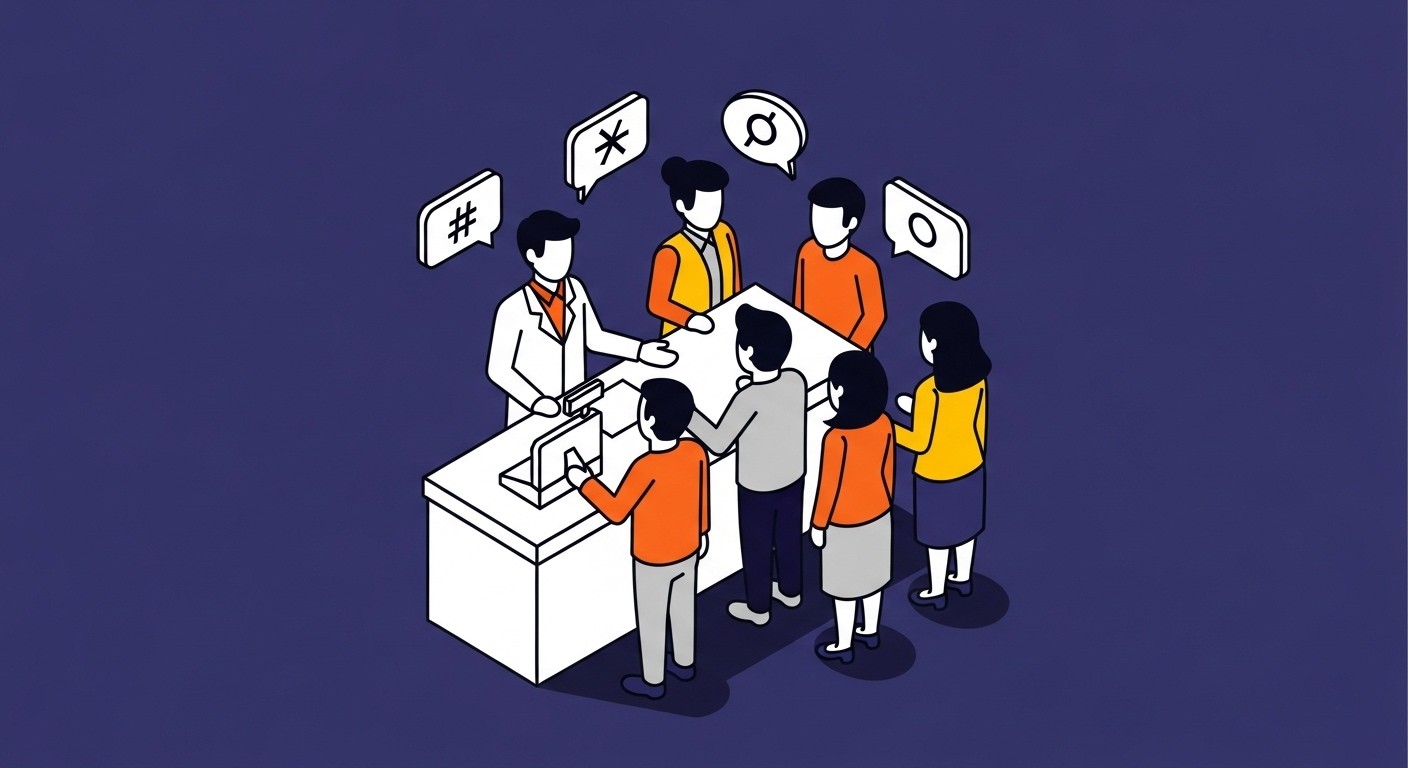
Expanding Access with Multilingual, 24/7 AI Solutions
Artificial intelligence (AI) has the potential to reduce disparities in healthcare access. It can make pharmacy services more accessible for underserved communities through language support, 24/7 availability, or operational relief in pharmacist-shortage areas.
1. Multilingual AI: Breaking Down Language Barriers
Language should never be a barrier to health. Yet, millions of patients in the U.S. face communication hurdles simply because English isn't their first language. This can result in medication misuse, confusion about instructions, and missed refills.
AI voice agents speak multiple languages, so patients always get clear, accurate information in the language they understand best - from coordinating deliveries in Spanish to confirming refills in Mandarin.
This multilingual capability builds trust and ensures pharmacy services are equitable and accessible, allowing pharmacies to serve a wider patient base, boost adherence, and achieve higher refill rates.
2. 24/7 Availability: Serving Patients Beyond Business Hours
Not everyone can call the pharmacy between 9 a.m. and 5 p.m. For shift workers, caregivers, or those juggling multiple jobs, traditional pharmacy hours simply don’t work. AI solutions are available 24 hours a day, 7 days a week including nights, weekends, and holidays. Patients can request refills at 10 p.m., ask about their prescription at 3 a.m., or get information when it's most convenient for them.
This kind of around-the-clock support is especially valuable for those in low-income communities, where flexibility can mean the difference between staying on track with medication or going without care.
3. Supporting Pharmacies in Underserved Areas
Rural and underserved areas often struggle to recruit and retain pharmacists, leading to overworked staff and reduced patient access. AI technology helps bridge this gap by automating routine interactions, freeing pharmacists to focus on complex, patient-centered care.
From handling refill requests to answering questions about prescription pick-ups, our AI voice agents take on the repetitive tasks that often tie up pharmacy phone lines. This is especially valuable for independent and community pharmacies, many of which serve as the primary healthcare resource in their neighborhoods.
4. Equity Through Efficiency and Consistency
Patients in underserved communities often experience inconsistent service due to staffing constraints, language gaps, or technological limitations. AI helps ensure that every patient receives the same reliable, timely response, every time they call.
By eliminating delays and confusion, AI solutions empower patients to take control of their healthcare journey leading to better outcomes and stronger pharmacy relationships.
5. Addressing Concerns with Care
AI systems can be leveraged not just to translate, but to communicate effectively and respectfully with the understanding of diverse communities.
By addressing language barriers, extending access beyond traditional hours, and supporting overstretched pharmacies, Pharmesol’s technology brings pharmacy services closer to those who need them most. Find a time to chat about how you can use AI not just as a tool for efficiency, but as a vehicle for inclusion. Connect with Pharmesol